Proper View Home

Category

Television

17 articles

The Uninvited Mark: Branding, Composition and the British Screen

The Uninvited Mark: Branding, Composition and the British Screen

British broadcasters and streaming services have made the on-screen logo a permanent fixture, from channel bugs to promotional overlays. This essay considers what persistent branding does to composition, performance and the contract between programme and viewer, and argues for a cleaner presentation of the work.

The Pause That Pays: In Defence of the Television Ad Break

The Pause That Pays: In Defence of the Television Ad Break

The commercial break is routinely treated as an inconvenience to be skipped, yet it has quietly shaped the rhythm of British television for decades. This essay considers the craft of writing for the break and asks whether streaming’s uninterrupted episode has flattened a distinctive pleasure.

Someone to Hand You the Evening: The Case for the Continuity Announcer

Someone to Hand You the Evening: The Case for the Continuity Announcer

The continuity announcer is easy to mock and easier to overlook. But the human voice between programmes does real work: it frames the evening, sets the tone, and gives British television a sense of place. What is lost when streaming replaces that voice with silence?

Before We Begin, Again: The Recap and the Cost of Being Reminded

Before We Begin, Again: The Recap and the Cost of Being Reminded

The 'previously on' recap has become a default opening gesture in British television, promising convenience but often delivering pre-digestion. This piece considers what is lost when every episode begins by telling us what to remember, and argues for a recap culture that trusts the viewer rather than managing them.

The Label on the Door: Episode Titles and the Proper View

The Label on the Door: Episode Titles and the Proper View

Streaming interfaces increasingly treat episode titles as metadata, tucked beneath thumbnails and often hidden by autoplay. But a title is part of the work: a threshold, a clue and a memory handle. This essay argues that showing it properly is a small but telling test of how television is presented.

A Craft Condition: The Studio Sitcom and the Discipline of the Shared Room

A Craft Condition: The Studio Sitcom and the Discipline of the Shared Room

British comedy has spent years treating the studio audience as a slightly embarrassing inheritance. This piece argues that the multi-camera sitcom is not a relic to be tolerated, but a craft condition worth understanding, and that something is lost when every comedy is made for private, pre-recorded viewing.

The Interval Is Not Dead Time: Autoplay and the Space Between Episodes

The Interval Is Not Dead Time: Autoplay and the Space Between Episodes

The five-second countdown in the corner of the screen presents itself as a courtesy. In practice it is an instruction, and it has quietly abolished the pause that once sat between one episode and the next. This piece considers what that pause was for, and what is lost when it is removed by default.

Rooms of Their Own: The Case for the Unarced Hour in British Drama

Rooms of Their Own: The Case for the Unarced Hour in British Drama

British drama has grown wary of the self-contained episode, treating every hour as a bead on a longer string. But the unarced hour is not filler: it is a room where character, craft and new viewers can breathe, and its loss narrows what television can do.

Everything Visible, Nothing Seen: The Lighting Problem in British Drama

Everything Visible, Nothing Seen: The Lighting Problem in British Drama

British drama has developed an aversion to shadow. Scenes of menace, grief and scale are increasingly lit with the same even wash as a property programme, and the result is an image that shows everything while revealing very little. This is not a matter of taste alone: schedules, set construction, streaming compression and a quiet fear of the dark have all played their part.

Twice the Story, Half the Tension: Britain's Six-Part Habit

Twice the Story, Half the Tension: Britain's Six-Part Habit

Six episodes has become the default length for British drama, adopted so widely that its suitability is rarely questioned. Too often it stretches a three-hour story across six hours — and the cost is paid in tension, not in budget.

One Feed for All: The Cost of a London-Shaped Schedule

One Feed for All: The Cost of a London-Shaped Schedule

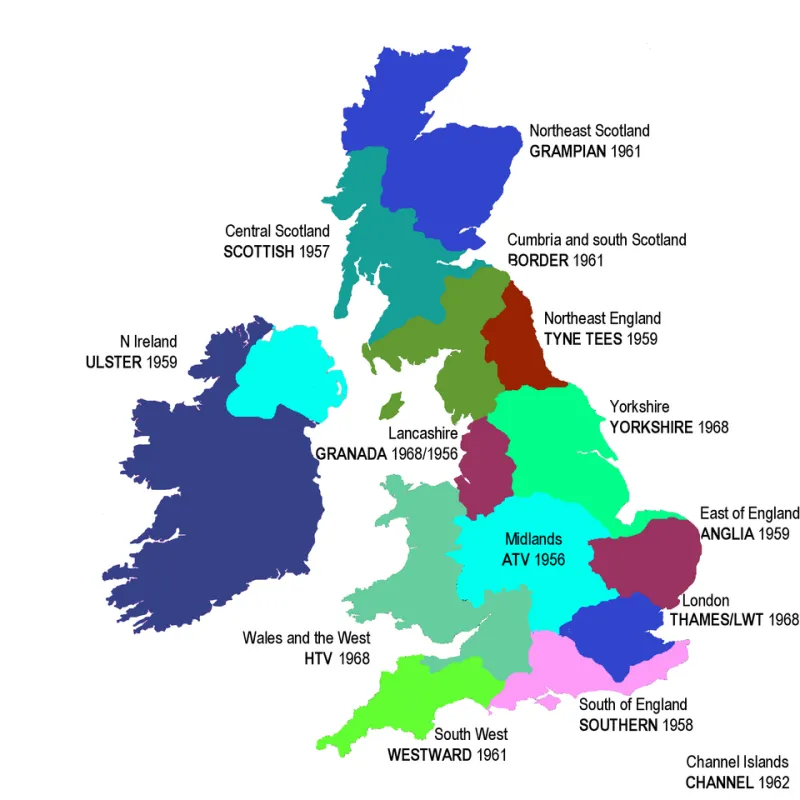
British television once sounded like places. In 2026, regional opt-outs are thinner, local news is consolidated and regional drama is rarer. A proper view of the UK is impossible when the schedule flattens into a single London-facing feed.

The Intelligibility Problem: Why British Drama Has Grown Quiet

The Intelligibility Problem: Why British Drama Has Grown Quiet

The subtitle has quietly become the default setting in British living rooms, and the industry has been content to let it. Proper View examines the mixing decisions behind the mumbling and asks why clarity is treated as the viewer's responsibility.

Tuning In Together: The Quiet Case for Scheduled Television

Tuning In Together: The Quiet Case for Scheduled Television

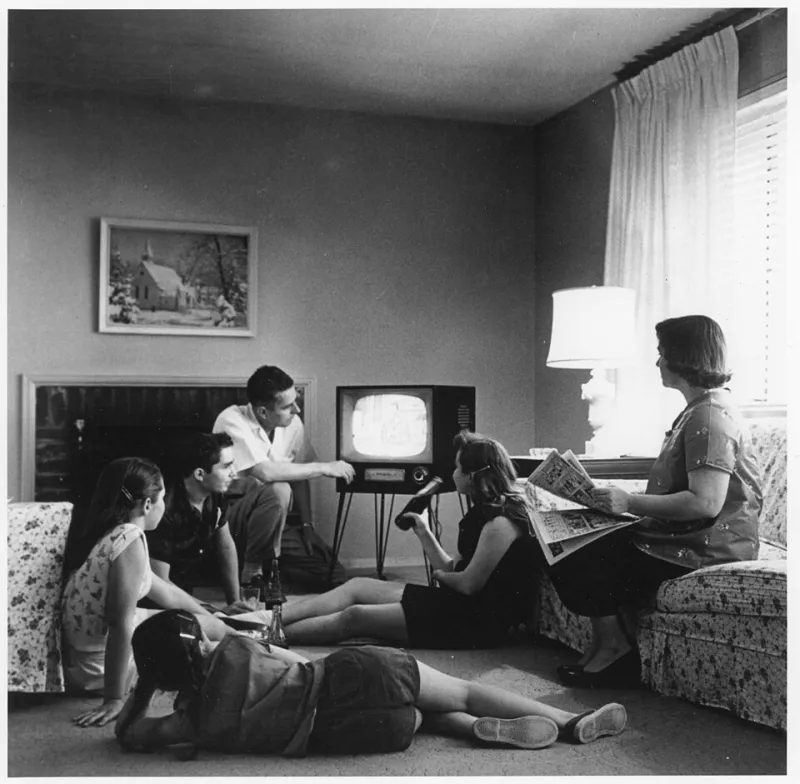
The box-set drop has transformed how British viewers watch television, but it has also compressed the conversation around it. This is an argument for reclaiming the weekly slot — not out of nostalgia, but because structure gives television room to breathe.

Watching Sideways: The Quiet Cost of the Second Screen

Watching Sideways: The Quiet Cost of the Second Screen

Scrolling through a group chat while a drama unfolds has become an ordinary British habit, but it is not a neutral one. This essay considers how distracted viewing is reshaping the television that gets commissioned, praised and properly understood in 2026.