The Repertory Slot: Five British Television Works That Still Earn Their Place
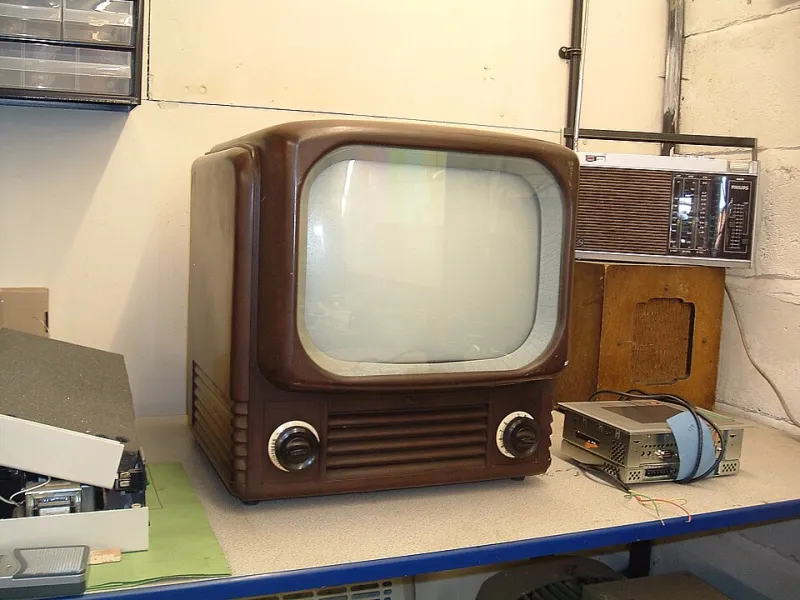
Photo: electromechanic812291, CC BY 2.0, via Wikimedia Commons
British television has an archive full of work that was made to be watched once and has since proved durable. In 2026, repeats are still treated as filler: a way to fill a schedule, a niche channel's habit, a late-night concession. That is a waste. A permanent repertory slot, weekly and well signposted, would do more than preserve old programmes. It would teach a modern audience how pacing, performance and shared viewing actually work.
Why a Repertory Slot Matters
Scheduling is an argument. A fixed slot says that a work is worth returning to. It gives viewers a habit, and it gives the work a context. The point is not nostalgia. It is repertory: the idea that television, like cinema, has a canon worth revisiting. The five works below are not the only candidates. They are examples of what a regular slot could do.
Boys from the Blackstuff (1982)
Alan Bleasdale's five films about unemployed men in Liverpool remain a model of episodic writing with novelistic weight. They teach pacing: the story unfolds through conversation, delay and small humiliations. They teach performance: Bernard Hill's Yosser Hughes is a study in pride and damage. A weekly post-watershed slot would let a new audience see how television can carry grief and comedy in the same frame.
The Singing Detective (1986)
Dennis Potter's six-part serial is still a test of attention. It moves between hospital ward, memory and fiction, and it refuses to explain itself. A weekly slot would be better than a binge. It would give viewers time to hold the ambiguity, and it would show how form can be popular without being simple. It teaches that television can be demanding and still be television.
Our Friends in the North (1996)
Nine episodes, four friends, three decades. This is long-form social history done through performance and ordinary detail. It teaches patience: the series earns its changes because it has lived with its characters. A regular slot would remind viewers that a long series can be an argument about a country, not just a plot machine.
Fawlty Towers (1975-79)
Twelve episodes, and not one wasted. The studio sitcom is often treated as a historical curiosity. It is better understood as a discipline. Fawlty Towers teaches timing, structure and the shared room. An early-evening repeat slot would show a modern audience that comedy is made in performance and editing, not only in improvisation.
Cathy Come Home (1966)
Ken Loach's Wednesday Play is a single drama, not a series, but it belongs in the same argument. It teaches what television can do when it takes a public subject seriously. A repertory slot could rotate single plays alongside serials, giving the form a regular home. It is harrowing, and that is the point. It treats the audience as citizens, not consumers.
The Terms of the Slot
A permanent slot would need care. It should be weekly, fixed and introduced with context. It should not be buried after midnight or used as schedule ballast. It should be available on demand, but not only on demand. The point is shared viewing: the sense that a programme is happening now, for everyone. That is what the archive can still teach. British television does not lack classics. It lacks a habit of returning to them with seriousness and a regular place in the week.