Proper View Home

Category

Film

15 articles

The Calibrated Room: Why Cinema Sound Deserves a Firmer Hand

The Calibrated Room: Why Cinema Sound Deserves a Firmer Hand

British cinemas have grown cautious with sound: dialogue pushed forward, music flattened, and auditoriums treated as if volume itself were a hazard. The proper view depends on a proper listen, and exhibitors owe audiences a calibrated, confident soundtrack rather than a defensive one.

A Country Unseen: Close-Up Openings and the Geography of British Cinema

A Country Unseen: Close-Up Openings and the Geography of British Cinema

Contemporary British films increasingly begin on a face, a fragment of dialogue or the corner of a room, leaving the wider world to be inferred. That choice can be intimate and exact, but when it becomes the default it quietly removes geography from the story. A national cinema that no longer shows us where it is may also be losing part of what it has to say.

The Empty Wall: Britain's Film Posters and the Lost Art of the Public Invitation

The Empty Wall: Britain's Film Posters and the Lost Art of the Public Invitation

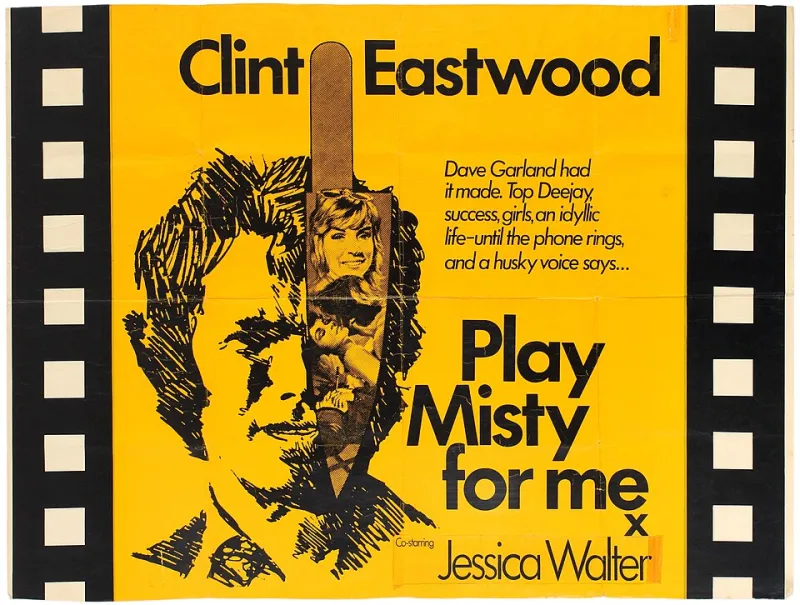
The streaming thumbnail has replaced the street-level poster as the first public face of a film. This piece argues that the British quad was never mere decoration but a form of public argument, and that its decline has narrowed the way cinema announces itself. A proper view begins before the ticket is bought.

The Default Is Not the Film: Reclaiming the Proper Picture at Home

The Default Is Not the Film: Reclaiming the Proper Picture at Home

New televisions often arrive in showroom modes that flatter demonstration footage and quietly distort films. This is a practical argument for turning off motion smoothing and other embellishments — without turning picture setup into a second job.

The Copy in Hand: Physical Media and the Terms of Proper Viewing

The Copy in Hand: Physical Media and the Terms of Proper Viewing

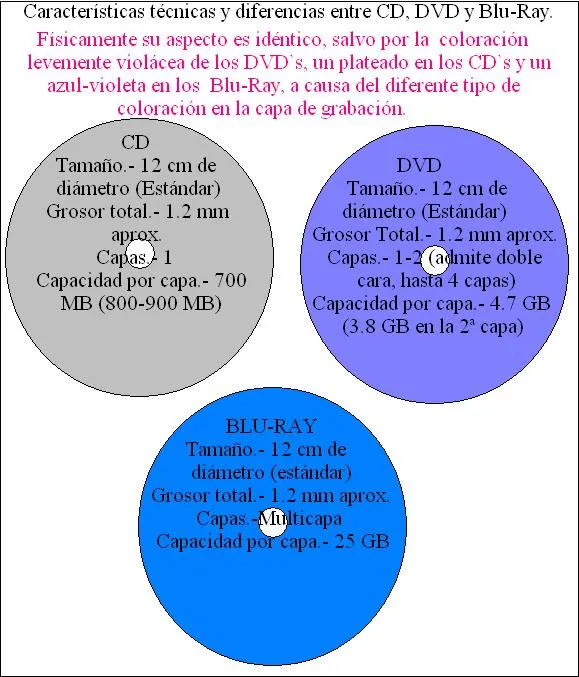
Streaming catalogues are not libraries, and a film that can vanish is not a film you can reliably revisit. This essay argues that physical media remains a practical answer for UK viewers who want a settled copy, a correct presentation and a record of what was actually released.

The Reveal Is Not an Asset: Restraint and the Modern Trailer

The Reveal Is Not an Asset: Restraint and the Modern Trailer

Modern cinema trailers and streaming autoplay previews increasingly disclose twists, set-pieces and entire character arcs before the film has opened. This essay argues that restraint in marketing is not nostalgia but a form of respect for the audience, and asks what British distributors and streamers might learn from the discipline of showing just enough.

The Twenty-Minute Debt: Why the Feature Should Start When It Says

The Twenty-Minute Debt: Why the Feature Should Start When It Says

British cinemas have turned the advertised start time into a loose suggestion, with a quarter-hour of advertising and trailers preceding the feature. This is not a trivial irritation: it is a small breach of contract with the audience, and it deserves a proper answer.

After the Last Frame: Why the Credits Deserve Their Place

After the Last Frame: Why the Credits Deserve Their Place

The house lights come up early, the picture shrinks to a corner, and a continuity announcer begins before the music has resolved. End credits have become the one part of the film everyone agrees to discard — and that is a mistake worth correcting.

Notes Over the Image: In Defence of the Filmmaker's Commentary

Notes Over the Image: In Defence of the Filmmaker's Commentary

The alternate audio track was once the most candid account of craft the film industry offered its audience. Streaming has quietly retired it, and with it a whole vocabulary for talking about how films are actually made. Proper View argues for its restoration.

A Discipline Worth Reclaiming: The Case for the Ninety-Minute British Film

A Discipline Worth Reclaiming: The Case for the Ninety-Minute British Film

The two-hour-plus runtime has become a lazy signifier of seriousness in British cinema, crowding out the taut, character-led films that once defined the national tradition. A return to the disciplined ninety-minute feature would be neither nostalgia nor austerity. It would be a proper correction.

The Hollow Centre: British Film's Retreat from the Middle

The Hollow Centre: British Film's Retreat from the Middle

British cinema still produces striking debuts and polished franchise entries, but the £2m–£10m film with adult ambitions has become an exception. This is an examination of the structural pressures squeezing the middle out of UK filmmaking.

Held at Customs: Britain's Long Wait for the Films Everyone Else Has Seen

Held at Customs: Britain's Long Wait for the Films Everyone Else Has Seen

British cinema-goers are still being asked to wait months for films that have already been reviewed, debated and spoiled elsewhere. This opinion-led deep dive argues that the UK release-date gap is a distribution choice with cultural consequences, and that proper view should mean timely access as well as thoughtful criticism.